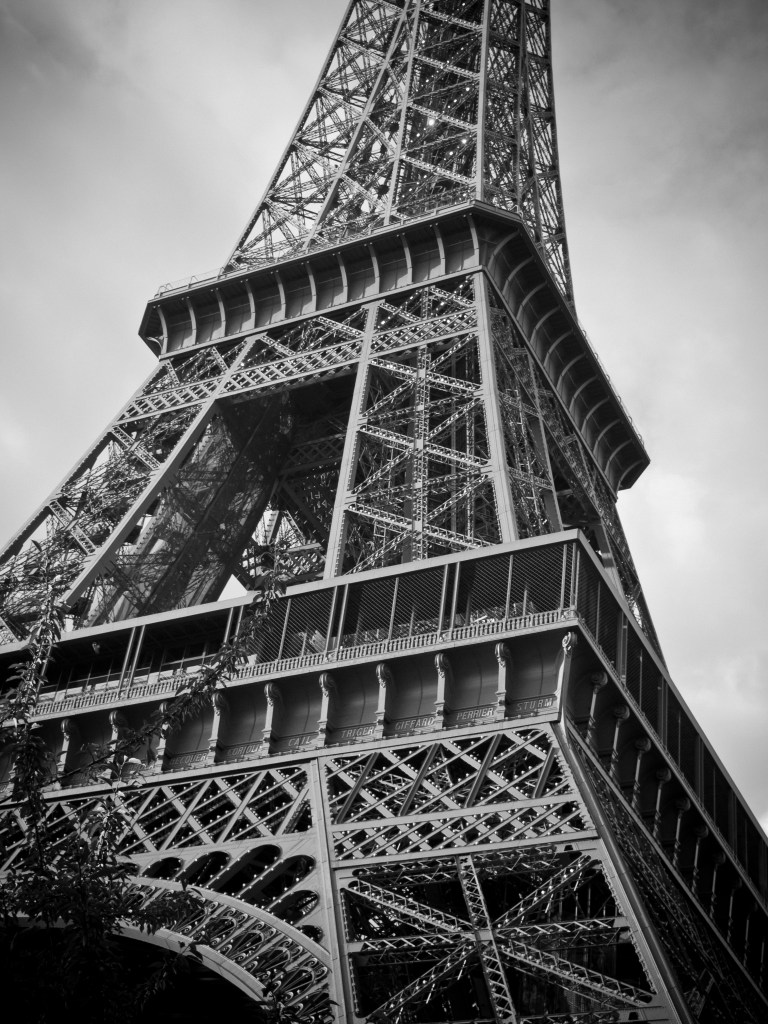
Photo by Marion West
Yes….but!
But do you need the latest and greatest technological wonder? Unless you’re a professional photographer and selling your images probably not. Sure it’s nice to have the newest camera but it’s been my experience teaching thousands of students over the years that very few (I’m tempted to say if any) actually knew how to get the most out of their $5,000 camera.
There’s a reason why and it’s pretty simple. Ninety-nine per cent of new camera owner never ever read their manual. Most (again I’m tempted to say all) do not take the several days it’s going to take to read the manual and with camera in hand work their way through every control and every menu item.
A quick scan of most FaceBook photography sites will prove me correct as daily you’re going to see basic questions being asked which are answered in the on-line camera’s manual.
Can you imagine you’re shooting a wedding for which you’re getting paid a decent salary and you’ve got to stop shooting while you frantically Google the answer to why your camera won’t focus or won’t shoot or worse won’t turn on? It happens all the time.
Some cameras like Olympus for example have PRO lenses which have a manual/automatic focusing ring at the front of the lens. Pull it back by accident and you’re in manual focusing mode. This scenario gets mentioned almost daily.
But what about image quality? Shouldn’t a full-frame top-of-the-line digital camera produce better images than say a point-and-shoot? In theory yes of course but do you need a 50 or a 100 megapixel image as compared to a 20 megapixel image or less if you’re posting on FaceBook and Instagram? Of course not and the reproduction on all social media sites shows an image that’s greatly reduced in size anyway so there’s no advantage to more megapixels.
Now for specialty photography like shooting birds (Olympus!), shooting weddings (Canon or Nikon), shooting street photography (Leica) and a whole bunch of other types of photography (macro, night skies, portrait, landscapes) or shooting situations with special needs like focus stacking (multiple shots at different focuses stacked together in software to produce images with huge depth of field compared to what would be shot normally) and the list goes on then yes there is a camera made that will work for that.
Remember some of the best images every taken were shot on cameras with specifications so basic that none of us would even consider shooting with them and yet the images live on in museums and magazines and online forever.
Here’s a great example: Look up Vivian Maier. A nanny working in Chicago in the 1950s she’d wander the streets with her old slow twin-lens Rolleiflex camera producing iconic images that are only now being fully appreciated.
Your camera, no matter how simple, can produce similar images if you, the photographer, have the vision and you can’t buy that.
 StreetShooters
Leave a comment