Another new photographer asked on FaceBook for suggestions on how to improve her badly exposed image of some birds feeding in a field. The birds were about the size of big chickens and the background was an overexposed field of green.
Of the 20 or so recommendations she got almost all of them were wrong:
- Use an external light meter
- Use a spot meter
- Use the exposure compensation control (close but no)
- Shoot in Auto mode
- Shoot in P, A or S modes
- Shoot in manual mode
- Look at the histogram
- Use a different lens
There were other suggestions but you get the idea. The problem with the exposure had nothing to do with the camera and there was nothing she could have done to “fix” the image in the camera.
So what was the real issue?
It was the light. Shooting during the day under harsh sunlight just made getting a pleasing exposure impossible. Notice I didn’t say you couldn’t get the “right” exposure. Sure you could and almost any camera properly set would have produced it but the image itself would still have been flat.
Shooting in bright sunlight especially when the foreground is dark and the background is significantly lighter is going to result in a reduction in the dynamic range the camera can capture and that’s what happened here.
Let’s face the truth. If you want to be a successful bird photographer you’ve got to be shooting under lighting conditions that favour the bird.
And when do these conditions exist?
Bird photographers shoot images of birds when the birds are feeding and that’s mostly during the hours before and after sunrise and sunset.
If you want great shots of birds you’ve got to be an early riser and be setup before dawn when the golden light of daybreak is just starting to illuminate your subjects. Same happens at dusk but birds aren’t as active so less chance of great images but the light is right.
When else can you expect great light?
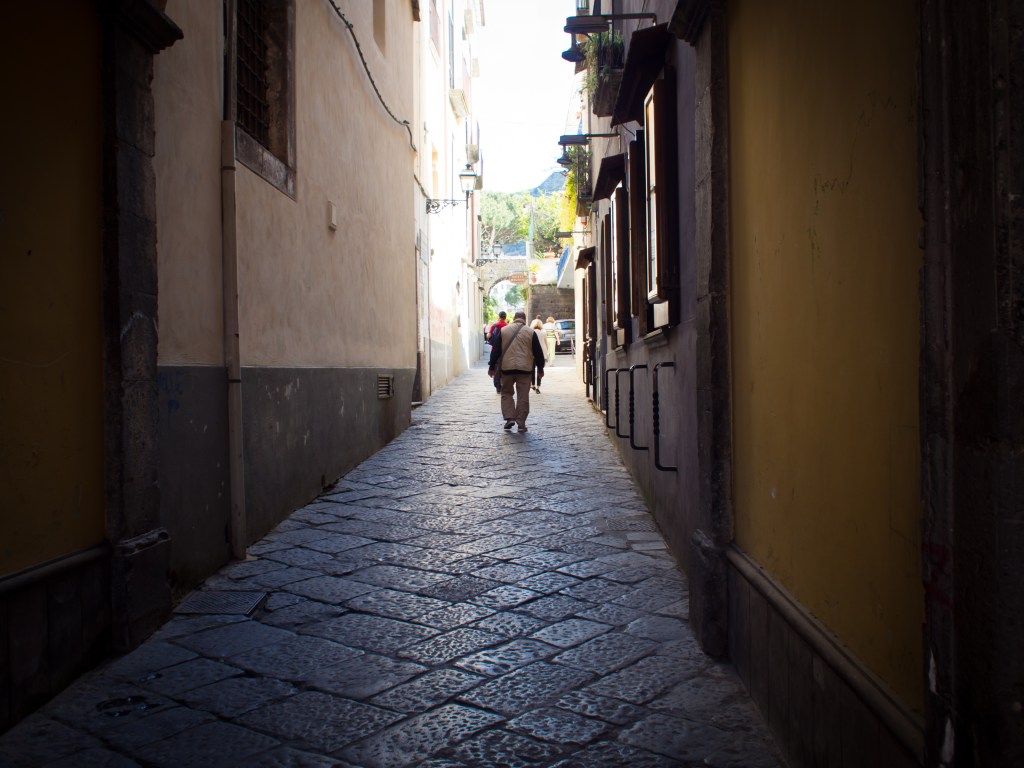
There’s a lot and I mean a lot of great images shot in the rain or when it’s foggy or misty or there’s cloud cover or when shooting in shadows around buildings as you do your street photography. The hours before and after dawn and dusk are called the golden hours for a reason.
It comes down to this. Photography is not about the camera. I have a friend who is taking amazing images with a pinhole camera where the exposure is measured in minutes and not split seconds and the whole thing is made up of a light-tight box, some film at one end and a pin hole at the other. The great masters produced their iconic images using equipment that is ancient compared to what we have now.
No the issue isn’t which camera or how much you spent on it. The issue is can you see the light?
 StreetShooters
Leave a comment