In our last post we reviewed how to setup your camera for the first time. Now it’s time to consider how to setup your shot when out on a photo walk.
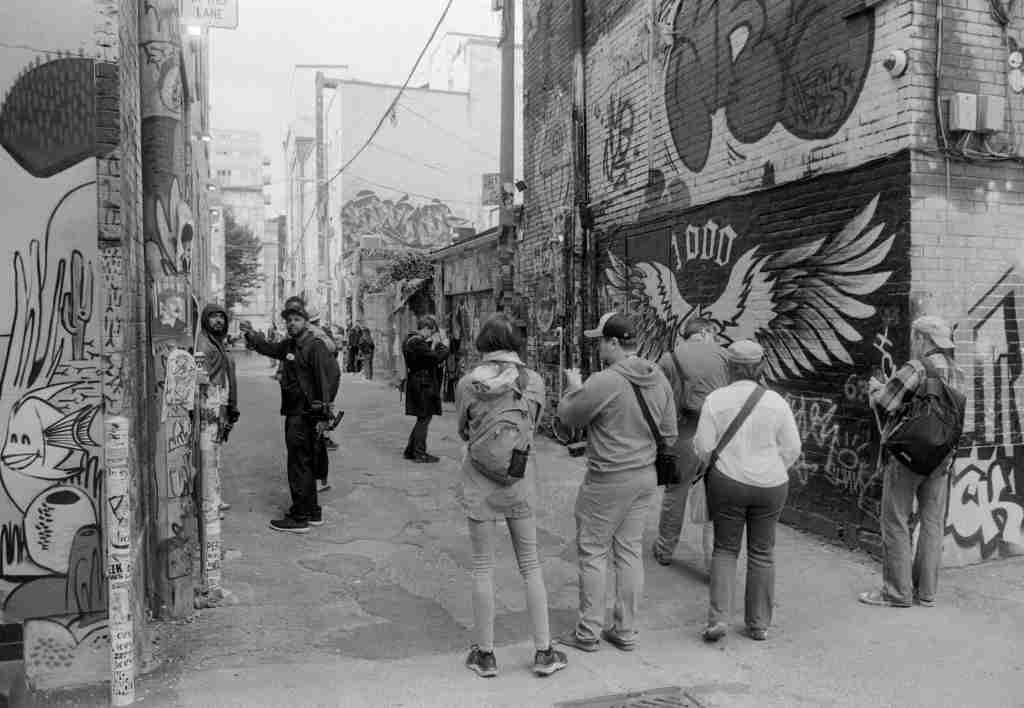
Photo walks either alone or in a group are first of all a lot of fun. Not only that but it’s a creative activity and one which will help you learn how to take better images.
And I should add right here that when it comes to your photography there is no right or wrong. While there are rules that apply to classical photography when it comes to your art (and that’s what it is) there are no rules but there are suggestions.
So the first thing you need to consider is what is going to be in your frame and what are you going to leave out. Yes you can crop in your computer’s photo editor but getting it right in camera is not only a skill but I think it makes for better photography.
When it comes to framing you don’t even need a camera. That’s why photowalks are often so sloooow. People are walking slowly and getting into the feel of what they’re seeing. They are framing images in their minds.
In my very earliest days of shooting for a daily newspaper it was part of my job to train the new journalists on how to take a photograph. We weren’t expecting great art but a basic image to illustrate their writing was a great advantage both to the journalist butalso relieved the staff photographers from having to shoot everything for everybody at the newspaper.
My initial training was to provide the new photographers with two pieces of cardboard in a “L” shape that when put together created a frame. Sliding one piece of the cardboard would allow the student to create a landscape or portrait type image.
Then we would walk outside for an hour or so framing images and allowing me to help the journalists. One of their biggest faults was not getting close enough to their subjects to create really impactful images.
Once you’re getting the idea of framing, the next step is composing. In other words what is going to be inside your frame?
When it comes to composition, yes there are rules and generally it’s worthwhile following them. Learn the rule of thirds (YouTube is a great source of information on composing images.) and layering and shapes and textures and negative space and leading lines and the golden ratio and frames within frames and patterns and repetition and the list goes on.
But do you need to know all of this stuff? The answer is it won’t hurt.
But there is another answer and that’s the fact that some people can just “see” better than the rest of us. I can teach you the basics of composition in an afternoon workshop but the one thing I can not teach you is the ability to “see”.
Practice and lots of it will help improve your photography. Practice will show you how and where to use the rules of photography and conversely practice will teach you when to totally ignore them.
 StreetShooters
Leave a comment