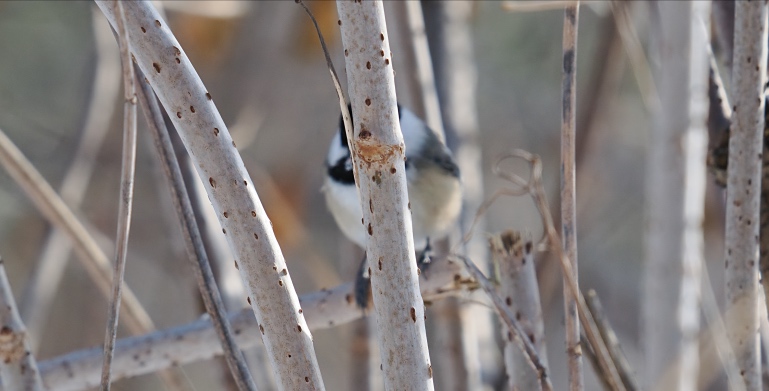
Bird photography is one of the most difficult forms of photography to get right….but it can be done.
First you don’t need a top-of-the-line camera and super long telephoto lens….but it helps.
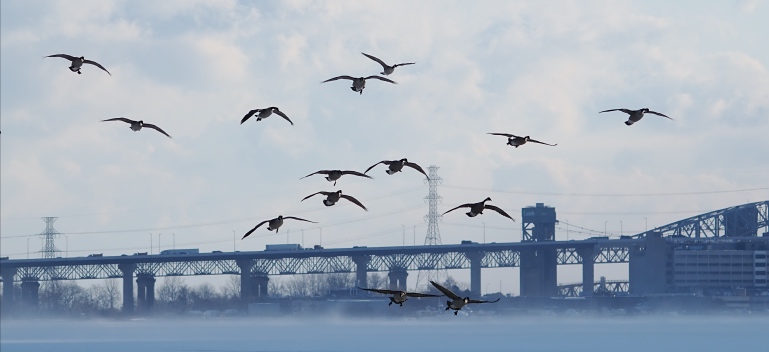
Having said that there’s lots of available birds you can shoot with a cellphone. Lots of waterfront parks in the Oakville – Burlington area have huge flocks of larger birds and lots of bird feeders that attract smaller birds all winter long.
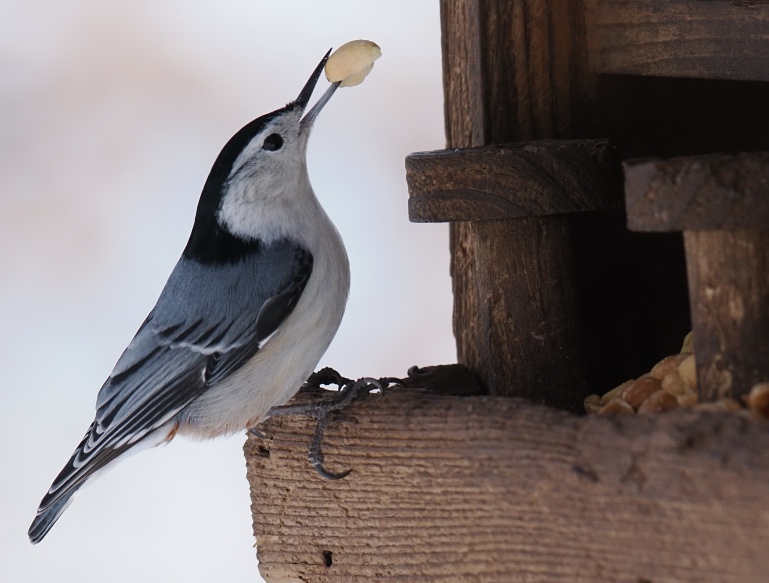
So where to begin?
First go to places where there are lots of birds. The Oakville Camera Club has held several of the club’s famous “Outings” sessions to shoot birds along the north shore of Lake Ontario this winter. Open to all members we’ve had everyone from professional photographers to newcomers with their first decent camera show up (long underwear is highly recommended).
Even better at all of these Outings several of the club’s mentors have attended in order to help new photographers get started shooting.
My point is don’t let experience or gear or lack there of deter you from getting started. In fact too much gear or gear that’s too complicated can result in lots of images but no keepers.
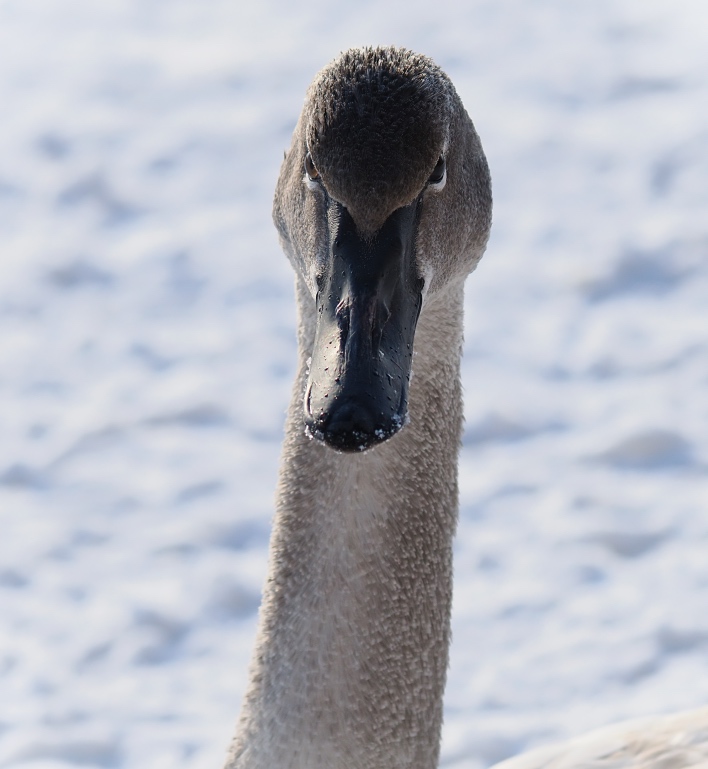
If you can, go shooting try going with an experienced photographer who is willing to help you with both bird craft and camera settings. If you’ve got a telephoto lens (100 to 400 mm or longer) then bring it.
A long lens, especially if you’re shooting big birds in flight or small fidgety birds at feeders, can get you closer so you can get the better shots.
But really long lenses have some built-in issues.
One is they tend to be slow. This is true of all affordable zoom telephotos (there are faster zoom and prime lens but the cost can be astronomical) and it means your ISO is likely to rise in order to get a proper exposure because of the slowness of the lens. Yes noise reduction software can mitigate a lot of this noise that will appear in the image but it’s preferable if you can keep the ISO and noise down.
Second larger zooms (I own an Olympus 150-600 which in 35mm terms is a 300-1,200 and this thing is a monster) are heavy and after awhile it gets hard to hold them up and track birds in flight. Zooms from 100 to 500mm are more manageable. Marion shoots with a new Olympus 100-400 (200-800 in 35mm terms) which is a lovely lens.
Smaller zooms (75 to 300mm for example) are much much lighter and easier to carry all day but they just don’t have the reach of the big boys when it comes to small birds high up in trees.
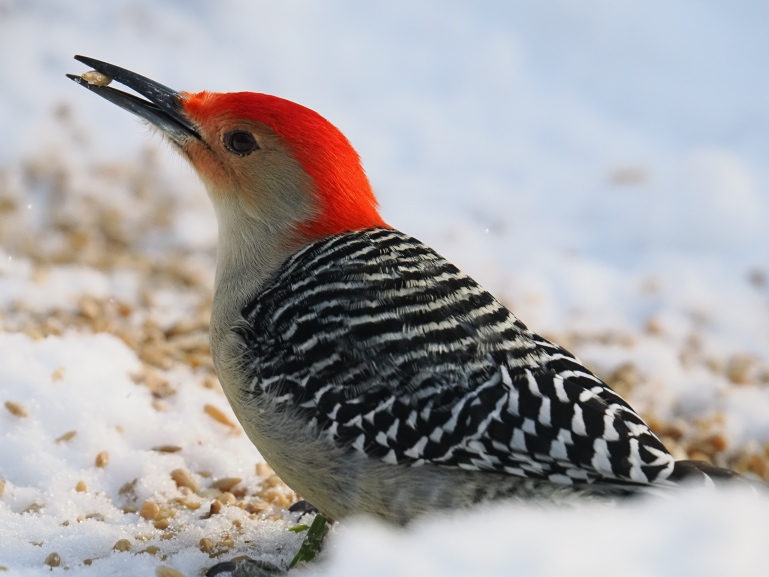
But again don’t despair. A lot of birds in urban settings are so used to human beings that they will eat seeds out of your hand. This is where a smaller zoom and sometimes even a point and shoot camera or a cellphone can get the job done.
Bird craft and by that I mean the ability to know what birds are where and how to approach them is key to success. This is an art form that gets developed over time. Too close and the birds fly away but too far away and you can’t see them in your frame.
So no matter the gear, get out and add bird photography to your portfolio of images.
 StreetShooters
Leave a comment