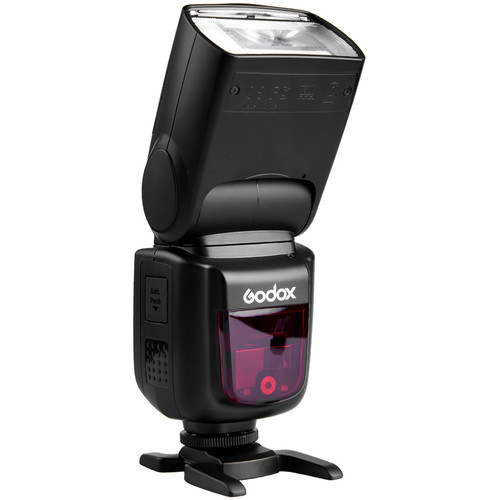
This series of posts are my notes for a flash workshop I am teaching to the members of The Oakville Camera Club.
One of the fastest and easiest ways to improve the look of any flash shot is to bounce the flash.
Most flashes have the ability to swivel and bounce light in more directions than just straight ahead.
Smaller cheaper flashes can often take an accessory that will allow for these movements.
This is one of the reasons why I say you can’t have too much flash. If you’re doing weddings or corporate or charitable events a bigger flash works faster and more consistently than a smaller flash.
So what happens?
When you bounce a flash whether on manual or TTL mode by tilting its head upwards the light goes up and hits a ceiling for example and then the light comes down again illuminating the subject.
So long as the flash is powerful enough and ceiling isn’t too high the light produced by a bounced flash is going to be softer than direct flash and can illuminate a larger area without harsh black shadows.
Light can be bounced off any white surface like a wall (which can cause a sidelighting effect) or even off a white shirt at a wedding where nothing else is available.
Bouncing a flash off any other colour of surface (like a blue wall or blue ceiling like I found at a job in a blue painted Greek restaurant) can result in a colour cast (In my case all the images looked bluish) over your image. Not recommended.
You can bounce a flash straight up and while holding the camera and flash in one hand use your other hand at the back of the flash to direct some light straight forward. Since your hand is flesh coloured the light from it will simply warm the faces of your subjects while the light from the ceiling will add the correct illumination to the overall image. (This is an old newspaper photographer’s trick.)
Some flashes come with their own built-in white card that can be pulled up and used to throw a bit of white light straight onto the subjects while the rest of the bounced light fills in the background.
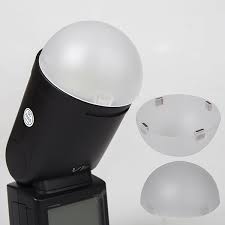
There are a wide variety of light modifiers that will fit your particular flash whether a square head or in this case (in the photo) a round one. The modifiers do just that as they modify the light from the flash to avoid the harsh direct flash look. They are often used by wedding photographers to shoot wedding parties and shots of the bride and groom both indoors and out.
Here’s another old photographer’s trick:
You can soften the light from either a direct flash or a bounced flash using a sheet of tissue paper over the flash. Not as good as a proper modifier but the tissue trick does work and yields a softer more pleasing image.


Leave a comment