This series of posts are my notes for a flash workshop I am teaching to the members of The Oakville Camera Club.
Understanding high speed sync (HSS) can really boost your photography techniques when it comes to shooting better images outdoors in bright sunlight using a flash or when attempting to freeze action at high shutter speeds.
HSS allows you to use your camera at shutter speeds higher than your native flash sync speed to get images that were impossible to shoot not so long ago.
But, you ask, won’t this cause black out bars on the image as the shutter curtains haven’t had enough time to fully open and close.
Ah that’s where the magic begins.
Typically most cameras have a shutter sync speed between 1/60th of a second and 1/250th of a second. If you use a standard camera with a standard flash at a higher shutter speed than your camera’s sync speed yes you’ll get the dark bands.
However HSS solves this problem by allowing your flash to pulse rapidly.
HSS allows you to use wide apertures combined with fast shutter speeds in bright conditions without over exposing your image or getting those black bars.
This is especially useful when shooting outdoors in bright light where your subject is in sharp focus and the background is blurred.
The second reason is HSS allows for faster shutter speeds to freeze motion in bright conditions whether outdoors or in a studio setting.
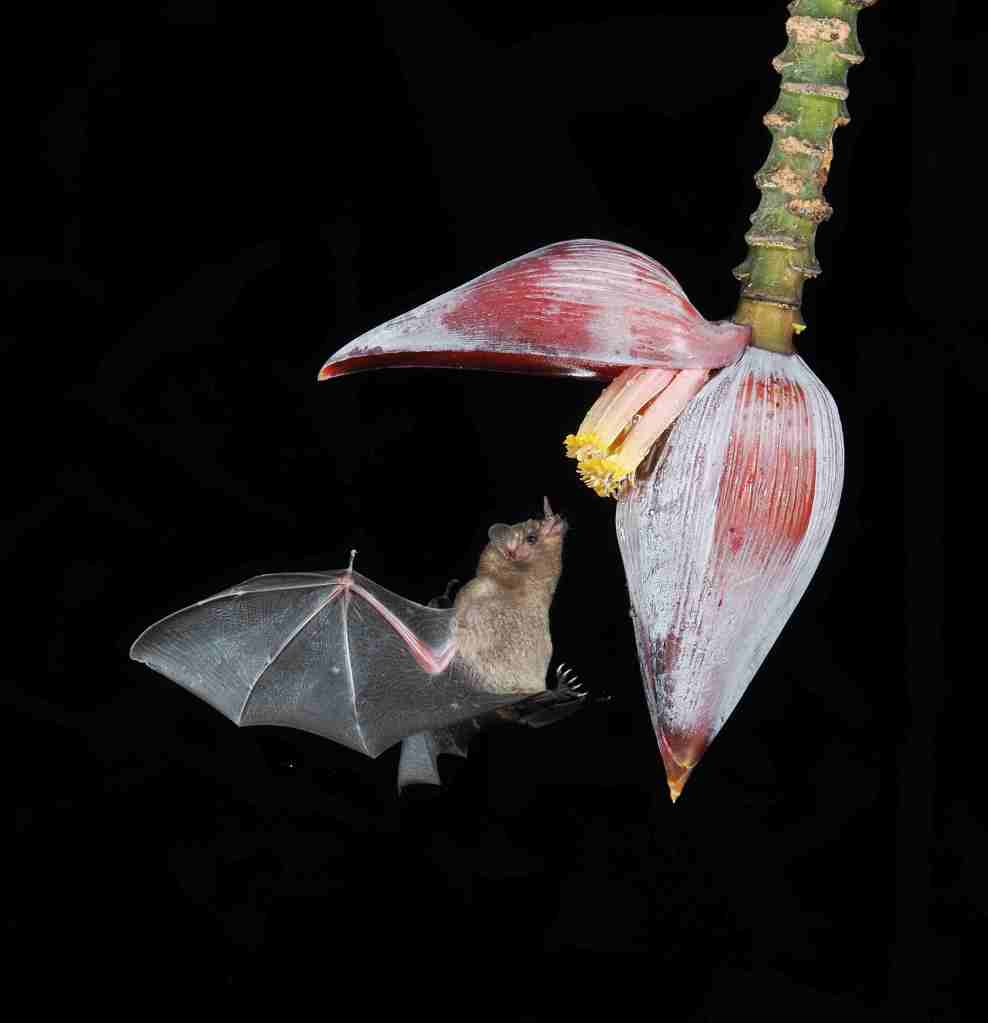
Remember however that HSS reduces the power of your flash as it makes that series of little pulses. This is a small price to pay to get these amazing images like my shot of the bat taken in Costa Rica.
Setting HSS is pretty straight forward:
First make certain you have a flash capable of HSS. Second make sure the trigger is HSS. Check your camera settings as some manufacturers require you to enable HSS in the menu settings.
If you’re shooting a portrait with limited depth of field first pick your aperature to let’s say f/2.8 and then adjust your shutter speed and ISO until your background looks good.
If your shooting someone running then set your shutter speed first to something like 1/4000th of a second and see if that freezes the action. Then pick your aperture and ISO so the background looks perfect. Adjust your flash power until you’re subject is getting the right brightness.
That’s all there is to it.


Leave a comment