There’s a lot of online disagreement about the meaning of “getting it right in camera”.
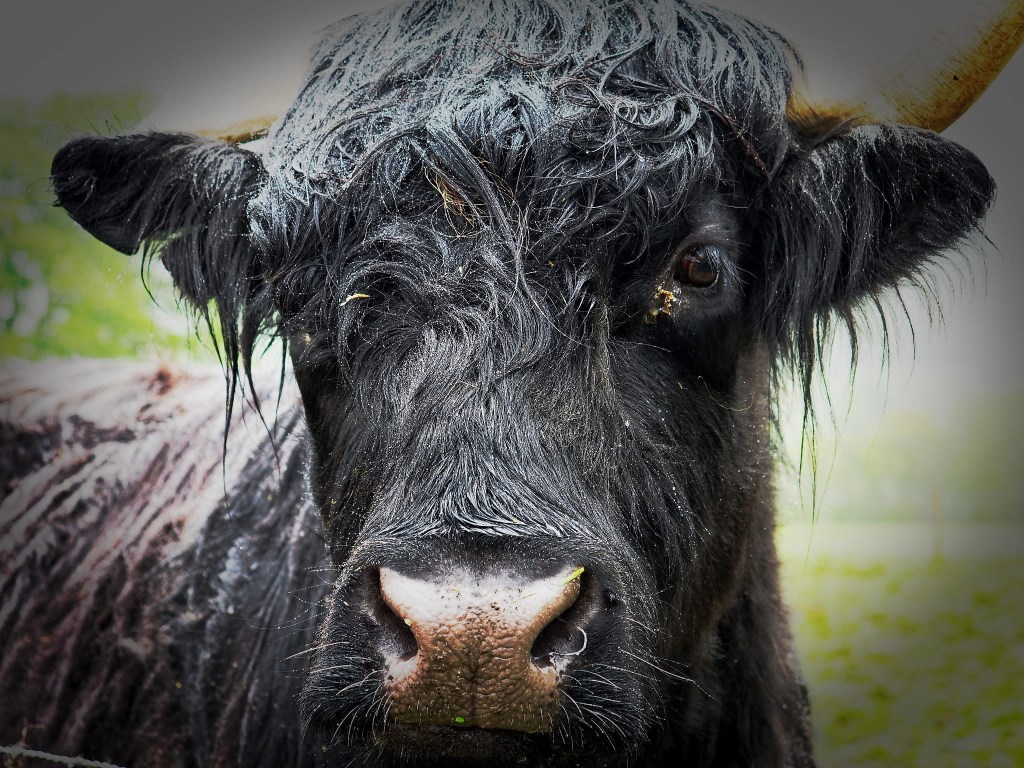
When I ran the black and white darkroom for a daily newspaper there was an obvious difference between negatives that were properly exposed, framed and composed and had been properly developed in the right chemicals at the right temperature with the right amount of inversions in the right amount of time and those that missed one or more of these essentials.
The perfect negatives had the best dynamic range and helped create the perfect print.
Now that’s not to say these prints couldn’t benefit from some burning and dodging but a compromised negative wasn’t going to get any better no matter how much manipulation was applied.
It’s the same regardless of camera and format. A properly exposed and composed digital image is a lot easier to edit and change in post compared to a badly exposed and composed image.
So when we talk about getting an image right in camera we’re talking about starting with an image that doesn’t need saving in software or using “magic wands” to erase unwanted objects or people in our shot.
There’s still a need to understand the basics of photography and how to apply them to your images.
 StreetShooters
Leave a comment